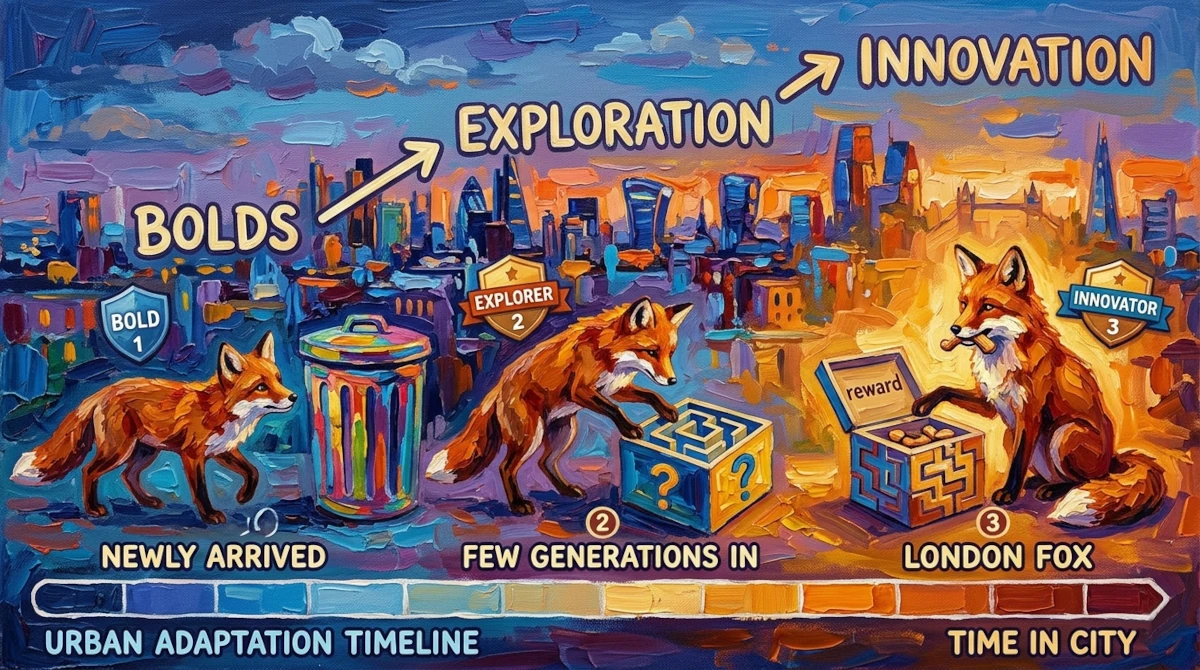
Quiz: Are You as Street-Smart as a City Fox? PopBiology Owl May 13, 2026 0 1. The study split fox populations into "older" and "newer" urban groups using a national survey from 1986. What was the key difference in how older vs newer urban groups performed? Older populations were bolder but less likely to explore Newer populations were better problem-solvers because they had more pressure to adapt Older and newer populations were equally bold, but only older populations could actually solve the puzzles Older populations were slower to approach the feeders but quicker to solve them None 2. A fox population that moved into a city 20 years ago is probably just as good at solving novel problems as one that has been there for 80 years. True False None 3. The researchers used a statistical technique called LISA to map their results geographically. What did they find? Rural areas on the outskirts of cities consistently produced the cleverest foxes London emerged as a clear cluster of both high touching and high solving rates, with no comparable rival elsewhere The results were evenly spread across Britain, with no clear geographic pattern Bristol and London tied as the top-performing cities in the study None 4. The researchers proposed three mechanisms that might explain how urban fox populations become better problem-solvers over generations. Which of the following is one of them? Genetic mutation caused by air pollution in city environments Cultural transmission, where younger foxes learn behaviours by watching experienced adults Competition with urban cats, which forces foxes to develop more complex tactics Reduced parasite load in cities, which frees up energy for cognitive tasks None 5. The findings suggest that disrupting a long-established urban fox population could actually make it harder to manage fox-related problems in the long run. True False None Time's up
Plant Secrets and Adaptations A Piece of Cardboard Is Bringing Precision Farming to the Farmers Who Need It Most PopBiology Owl May 12, 2026
Animal Minds and Behaviour Cities Are Making Foxes Smarter – But the Process Takes Generations PopBiology Owl May 5, 2026
Animal Minds and Behaviour The Virtual Cow: How Artificial Intelligence is Transforming Dairy Farm Management PopBiology Owl Apr 28, 2026
Animal Minds and Behaviour The Cautious Bee: Why Pollinators Fear Losses More Than They Love Rewards PopBiology Owl Apr 21, 2026
Animal Minds and Behaviour The Dawn Chorus Decoded: Scientists identify a potential mechanism behind birds’ explosive morning singing PopBiology Owl Apr 14, 2026
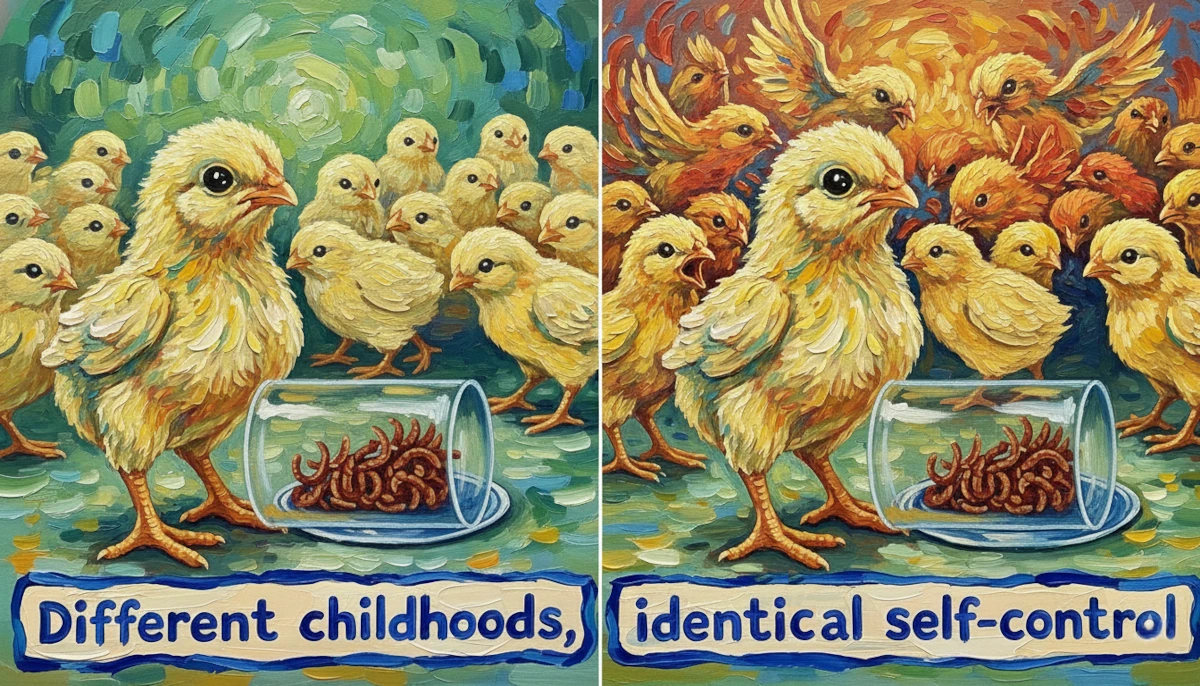
Animal Minds and Behaviour The Pecking Order Paradox: What Happens When Young Chickens Live in Constant Social Turmoil PopBiology Owl Apr 7, 2026
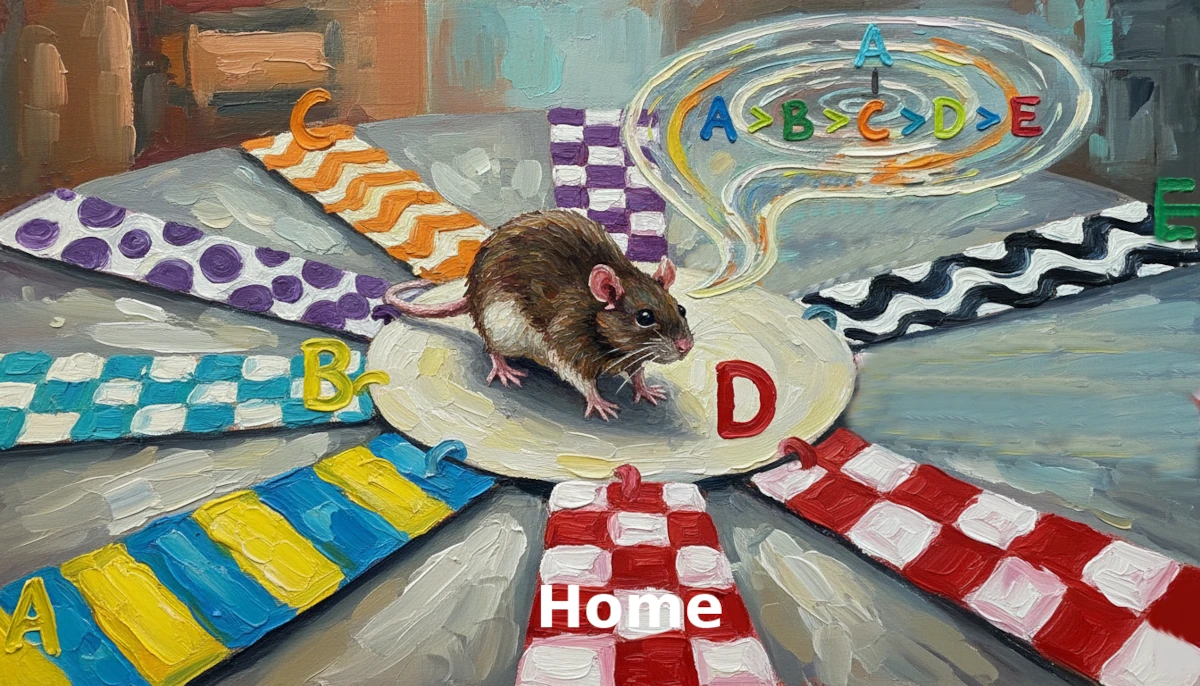
Animal Minds and Behaviour How Rats Learn to Think: Unlocking the Brain’s Logic Circuits PopBiology Owl Mar 31, 2026
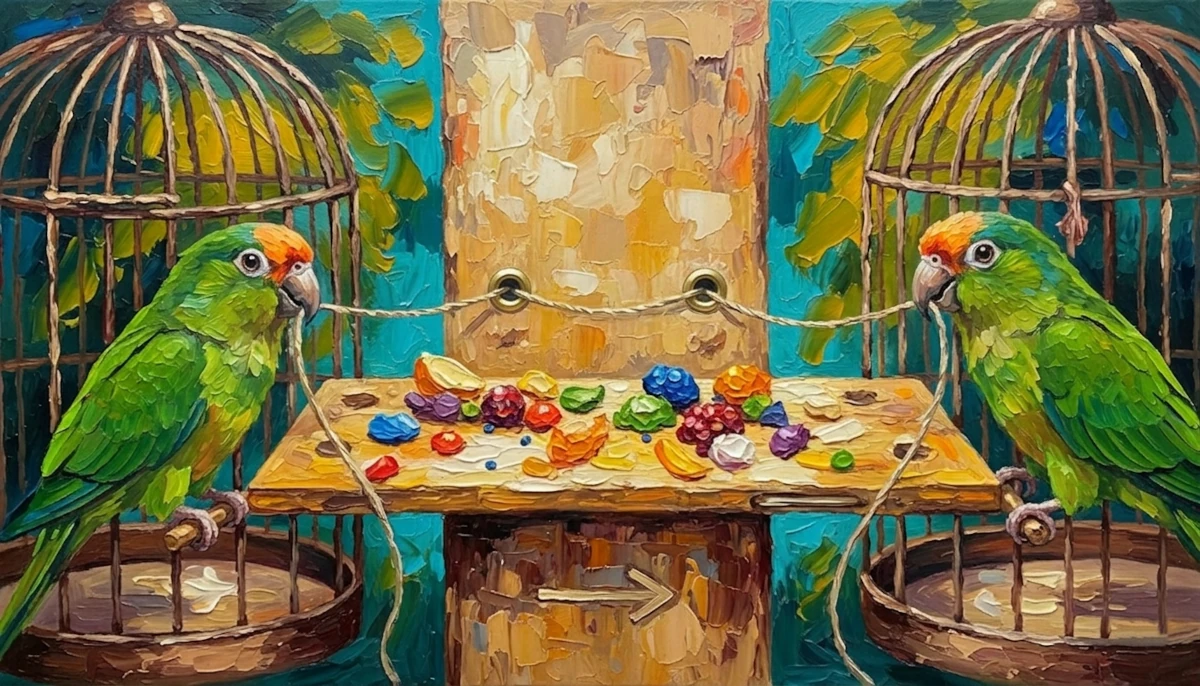
Animal Minds and Behaviour How Parrots Learned to Coordinate Through Conversation PopBiology Owl Mar 24, 2026
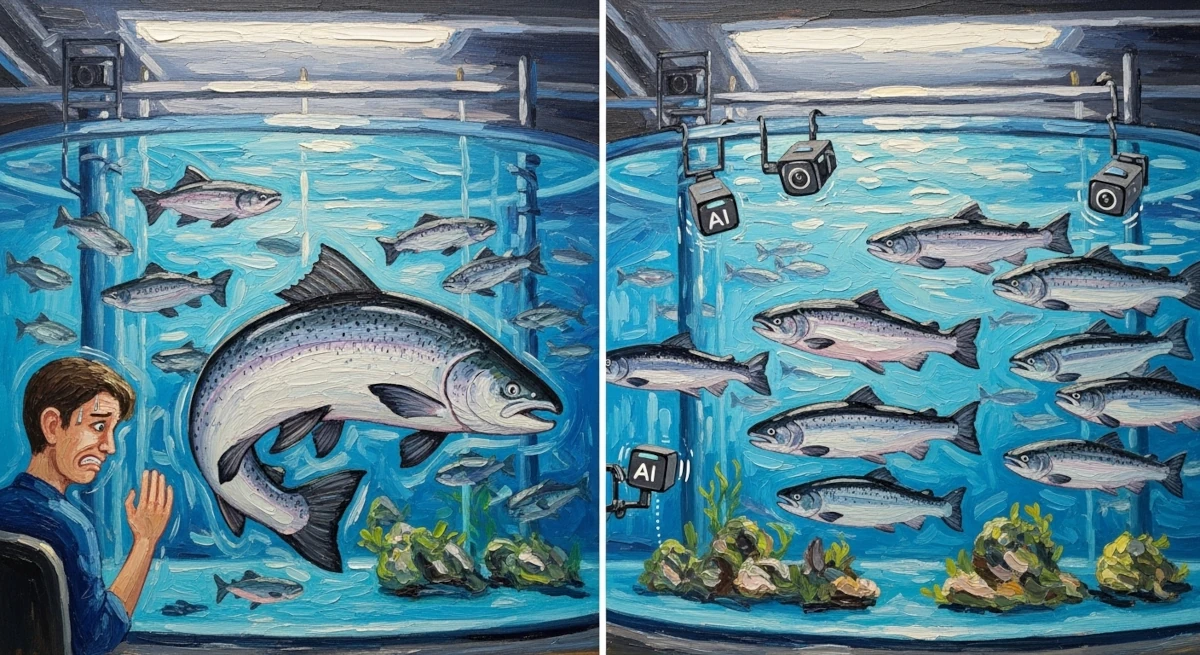
Animal Minds and Behaviour The AI Lifeguard for Fish Farms: How Smart Cameras Are Revolutionizing Welfare PopBiology Owl Mar 17, 2026
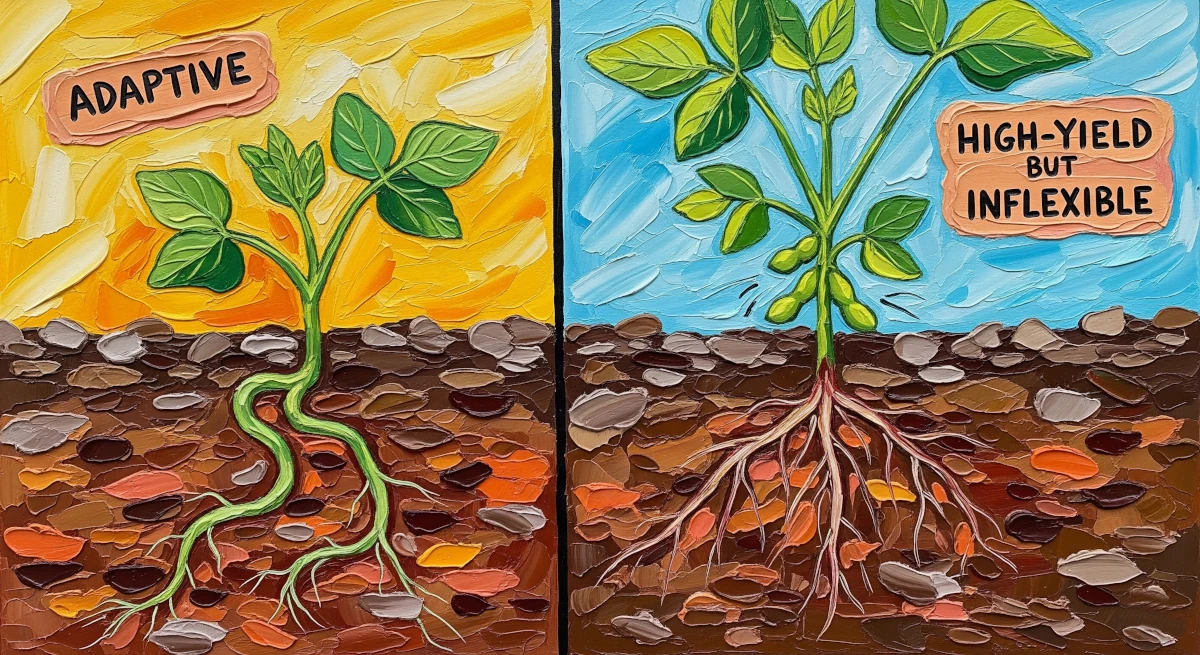
Plant Secrets and Adaptations The Underground Trade-Off: What We Lost When We Bred Better Soybeans PopBiology Owl Mar 10, 2026
Leave a Reply Cancel replyYour email address will not be published. Required fields are marked *Comment Name* Email* Save my name, email, and website in this browser for the next time I comment.
Plant Secrets and Adaptations A Piece of Cardboard Is Bringing Precision Farming to the Farmers Who Need It Most PopBiology Owl May 12, 2026
Animal Minds and Behaviour Cities Are Making Foxes Smarter – But the Process Takes Generations PopBiology Owl May 5, 2026
Animal Minds and Behaviour The Virtual Cow: How Artificial Intelligence is Transforming Dairy Farm Management PopBiology Owl Apr 28, 2026
Animal Minds and Behaviour The Cautious Bee: Why Pollinators Fear Losses More Than They Love Rewards PopBiology Owl Apr 21, 2026




Leave a Reply