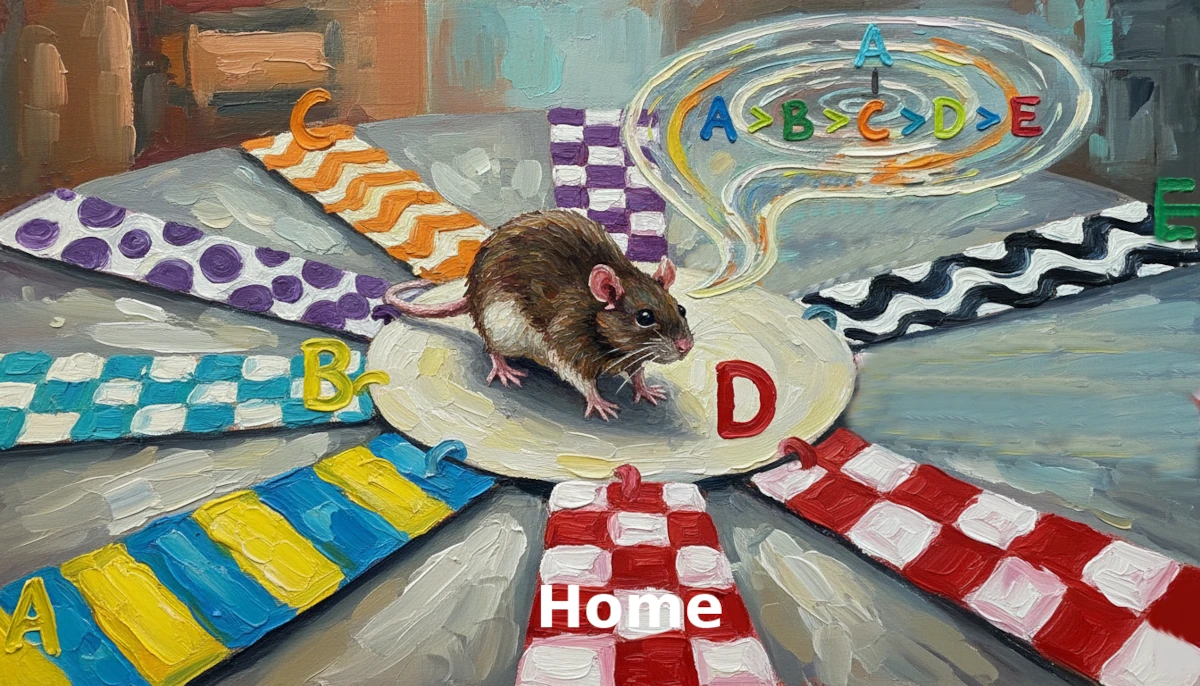
Quiz: Can You Crack the Same Logic Puzzles as a Lab Rat? PopBiology Owl Apr 5, 2026 0 1. The new maze design gives rats a central platform to survey all their options before choosing – which helps scientists clearly detect when genuine deliberation is happening True False None 2. When a new pair is added to the hierarchy – say, C > D joins the mix – why do some rats' scores on already-learned pairs dip slightly? They're forgetting old information to make room for new They're quietly restructuring their entire mental ranking to absorb the new information The maze layout changes and throws them off They lose interest and stop trying None 3. In the final test, rats performed better on a brand-new, never-seen pairing (B vs. D) than they did when first learning some of the basic trained pairs True False None 4. That head-sweeping behaviour called Vicarious Trial and Error (VTE) – does it appear more when rats are confident, or when they're uncertain? When they're confident and performing well When they're uncertain, which often precedes errors Only during easy, well-practised choices It's not a real, documented behaviour None 5. Unlike older scent-based tests, this maze ensures that even the lowest-ranked option (arm E) occasionally delivers a reward. Why does that design choice matter so much? It prevents rats from simply avoiding E forever – forcing genuine understanding of the full hierarchy It speeds up training but reduces accuracy It deliberately disrupts the hierarchy to increase difficulty It doesn't really matter – it's just a minor procedural tweak None Time's up
Plant Secrets and Adaptations A Piece of Cardboard Is Bringing Precision Farming to the Farmers Who Need It Most PopBiology Owl May 12, 2026
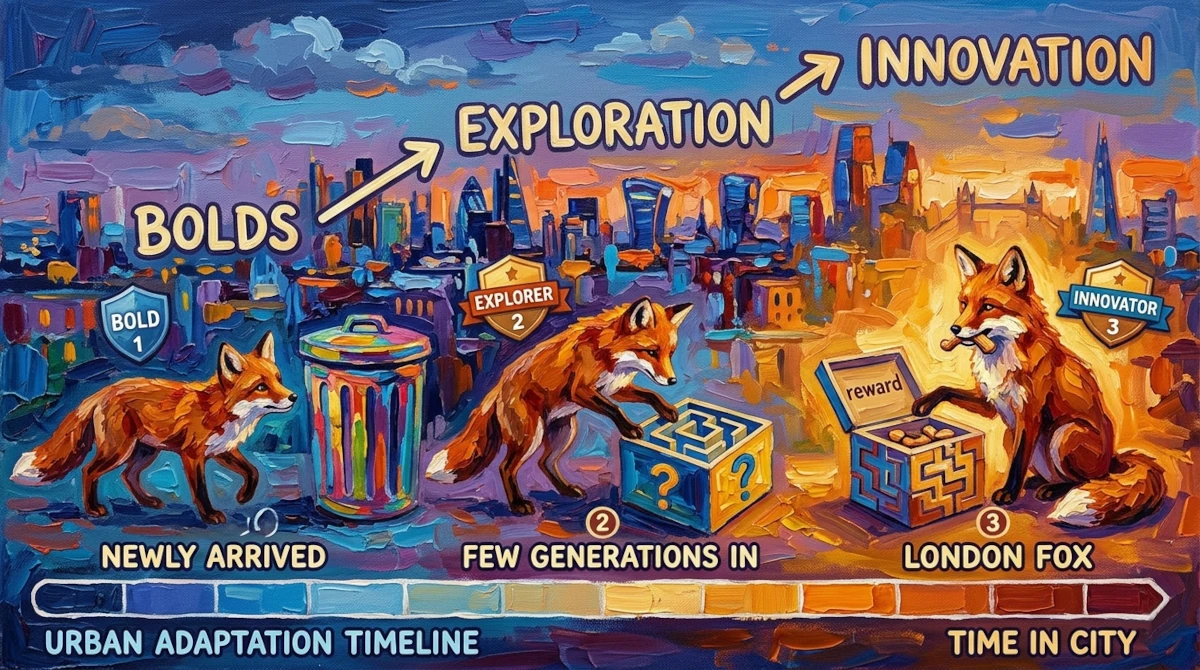
Animal Minds and Behaviour Cities Are Making Foxes Smarter – But the Process Takes Generations PopBiology Owl May 5, 2026
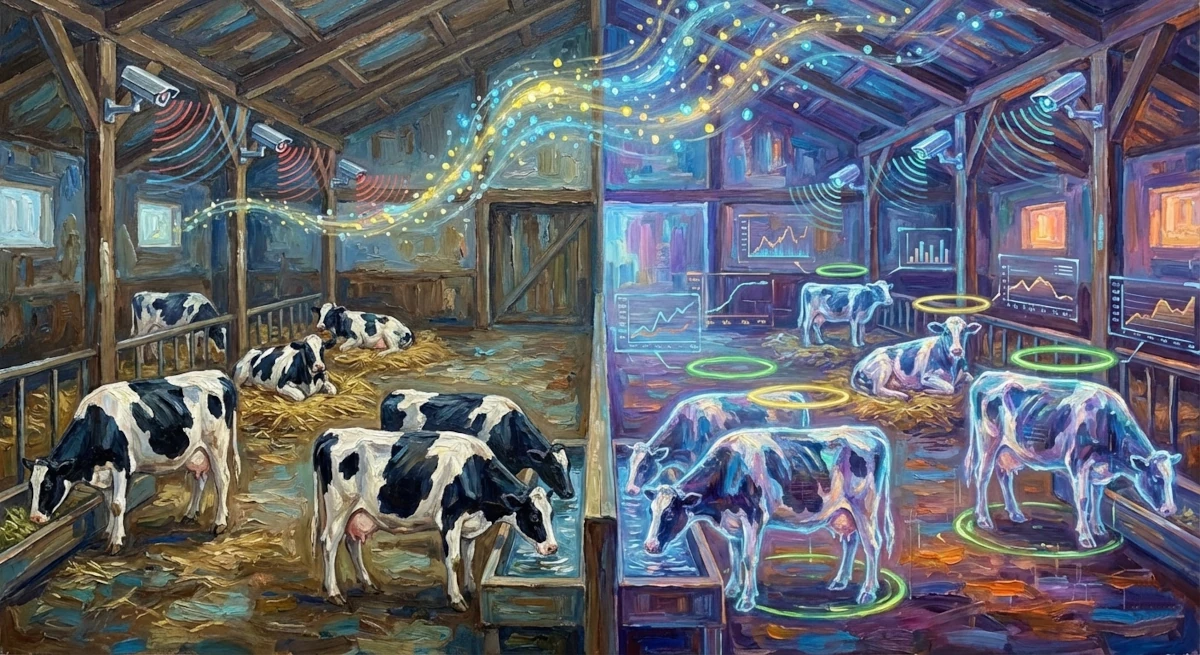
Animal Minds and Behaviour The Virtual Cow: How Artificial Intelligence is Transforming Dairy Farm Management PopBiology Owl Apr 28, 2026
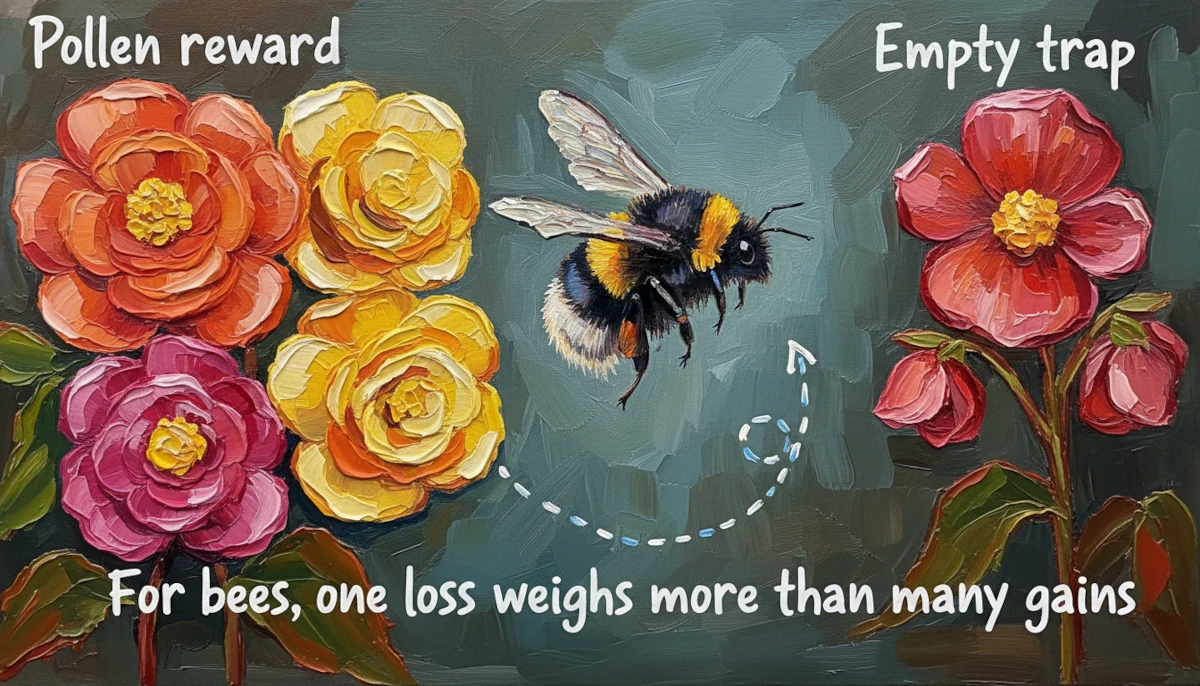
Animal Minds and Behaviour The Cautious Bee: Why Pollinators Fear Losses More Than They Love Rewards PopBiology Owl Apr 21, 2026
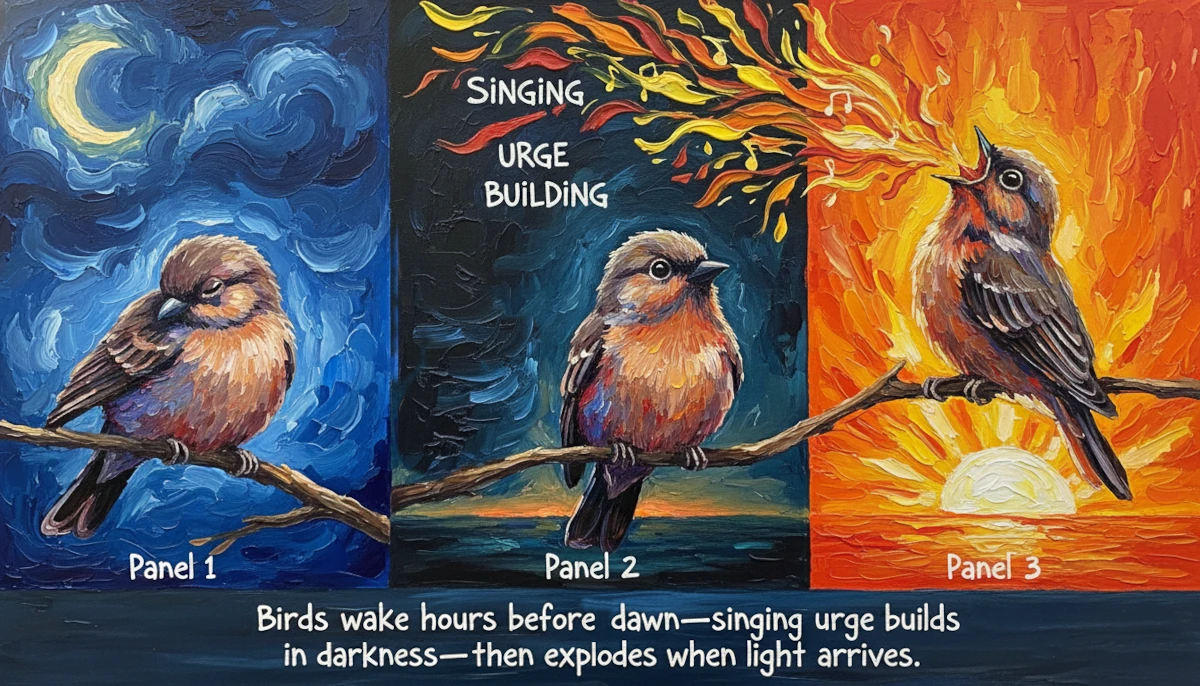
Animal Minds and Behaviour The Dawn Chorus Decoded: Scientists identify a potential mechanism behind birds’ explosive morning singing PopBiology Owl Apr 14, 2026
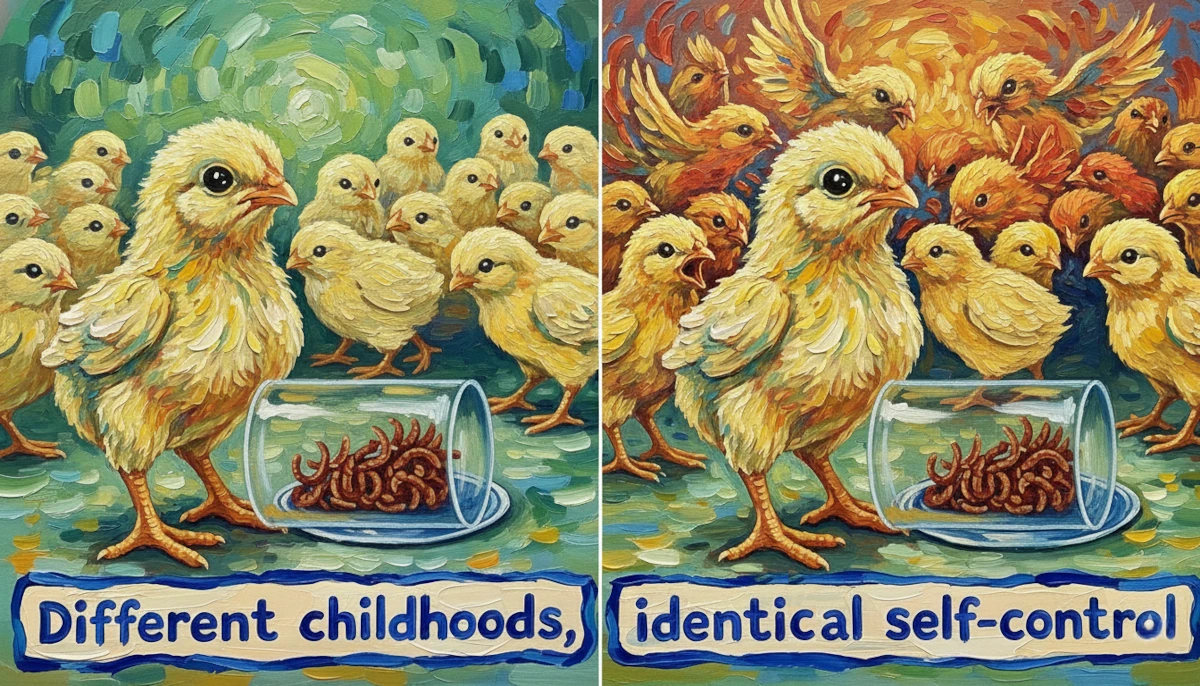
Animal Minds and Behaviour The Pecking Order Paradox: What Happens When Young Chickens Live in Constant Social Turmoil PopBiology Owl Apr 7, 2026
Animal Minds and Behaviour How Rats Learn to Think: Unlocking the Brain’s Logic Circuits PopBiology Owl Mar 31, 2026
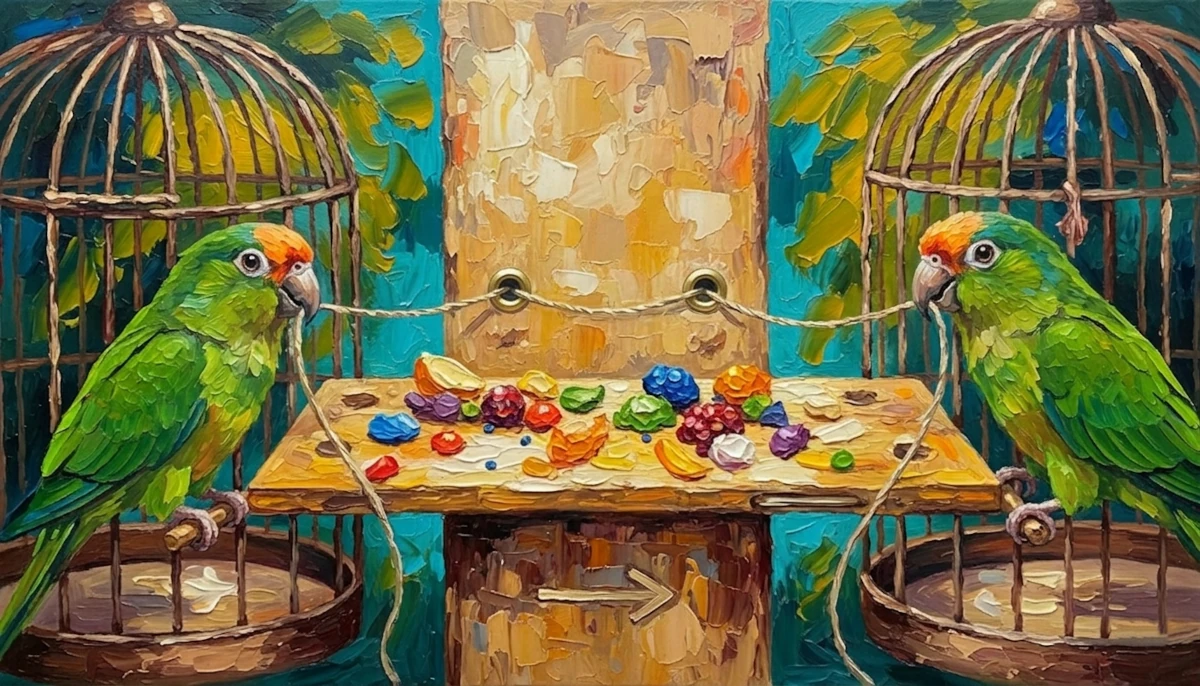
Animal Minds and Behaviour How Parrots Learned to Coordinate Through Conversation PopBiology Owl Mar 24, 2026
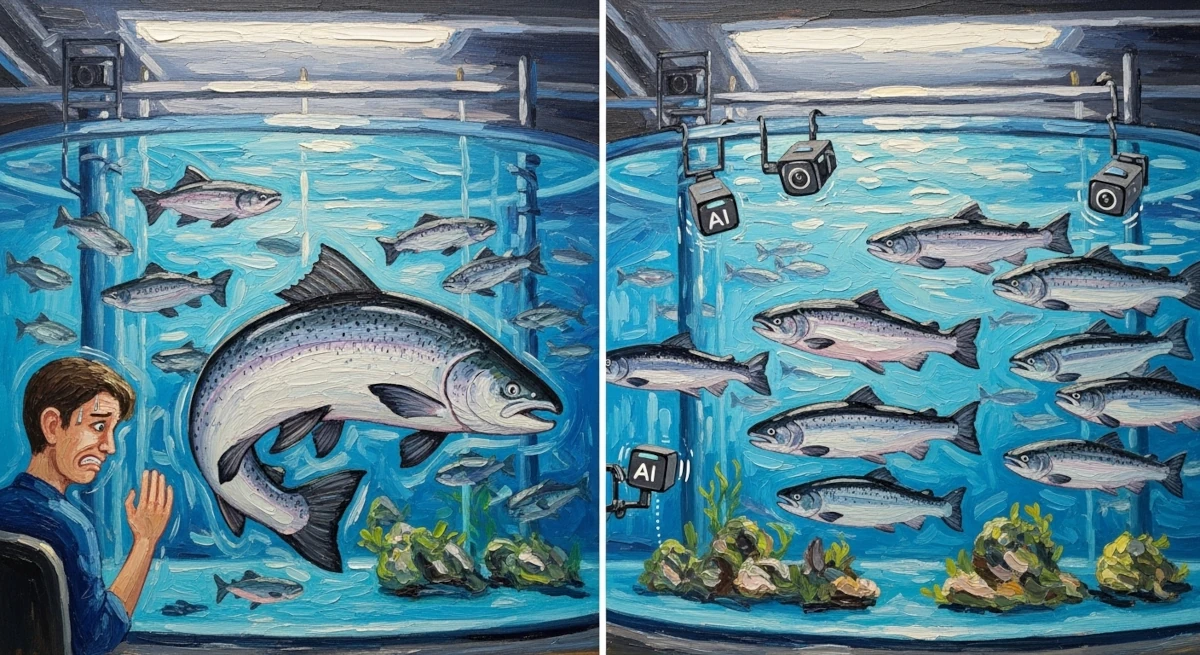
Animal Minds and Behaviour The AI Lifeguard for Fish Farms: How Smart Cameras Are Revolutionizing Welfare PopBiology Owl Mar 17, 2026
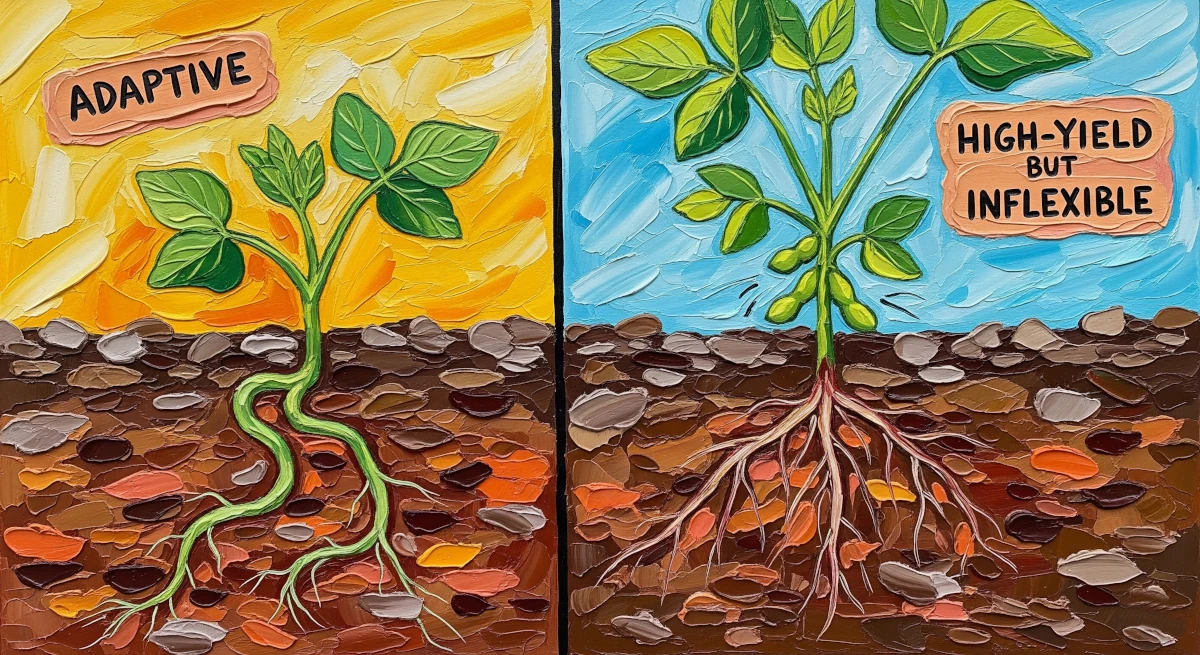
Plant Secrets and Adaptations The Underground Trade-Off: What We Lost When We Bred Better Soybeans PopBiology Owl Mar 10, 2026
Leave a Reply Cancel replyYour email address will not be published. Required fields are marked *Comment Name* Email* Save my name, email, and website in this browser for the next time I comment.
Plant Secrets and Adaptations A Piece of Cardboard Is Bringing Precision Farming to the Farmers Who Need It Most PopBiology Owl May 12, 2026
Animal Minds and Behaviour Cities Are Making Foxes Smarter – But the Process Takes Generations PopBiology Owl May 5, 2026
Animal Minds and Behaviour The Virtual Cow: How Artificial Intelligence is Transforming Dairy Farm Management PopBiology Owl Apr 28, 2026
Animal Minds and Behaviour The Cautious Bee: Why Pollinators Fear Losses More Than They Love Rewards PopBiology Owl Apr 21, 2026



Leave a Reply