Quiz: Can You Spot the Plot Twist in This Bird Family Drama? PopBiology Owl Apr 29, 2026 0 1. Before this study, what did scientists believe was the main reason chicks in larger families grew more slowly? They were genetically weaker from birth They received less food per chick – simple division Their parents were less attentive with more chicks to manage The nest became too crowded for comfortable development None 2. When researchers actually measured how much food individual chicks received in large versus small families, what did they find? Chicks in large families received significantly less food – confirming the conventional view Food intake was identical regardless of family size – parents compensated perfectly Chicks in large families actually received more food individually than those in small families Results were too variable to draw any clear conclusion None 3. Chicks in larger broods spent noticeably more time begging for food than chicks in smaller broods. Why does that extra begging matter so much for growth? It irritates parents into feeding less, creating a counterproductive cycle It burns energy that would otherwise go directly into growing – acting like a hidden tax on development It signals poor health to parents, who then prioritise stronger siblings It disrupts sleep patterns, which is when most growth actually occurs None 4. How much did parental feeding effort actually change between small broods and large broods? It barely changed – parents have a fixed feeding rate regardless of brood size It roughly doubled – a modest but measurable increase It increased dramatically – from under 1% of their time to nearly 8% It actually decreased slightly as parents became overwhelmed None 5. Why might it actually make evolutionary sense for begging to be physically costly and energy-draining? It helps eliminate weaker chicks early, concentrating resources on the strongest It ensures only genuinely hungry chicks beg intensively – keeping the signal honest It builds physical strength and endurance that chicks will need as adults It encourages parents to have smaller broods in future breeding seasons None Time's up
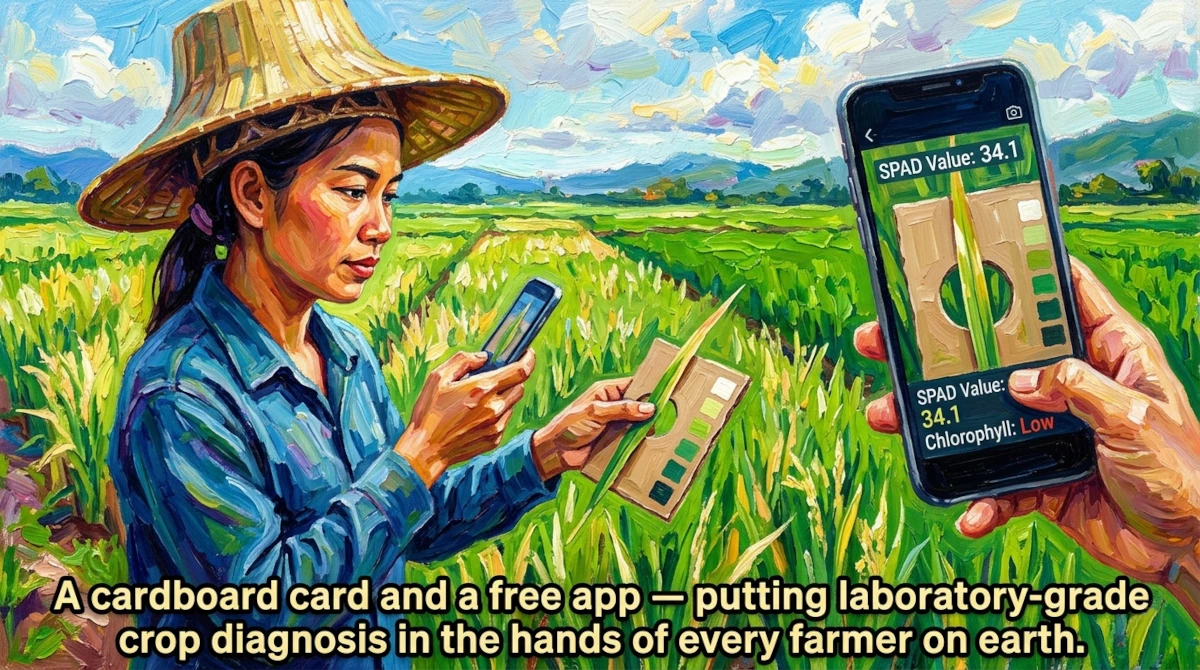
Plant Secrets and Adaptations A Piece of Cardboard Is Bringing Precision Farming to the Farmers Who Need It Most PopBiology Owl May 12, 2026
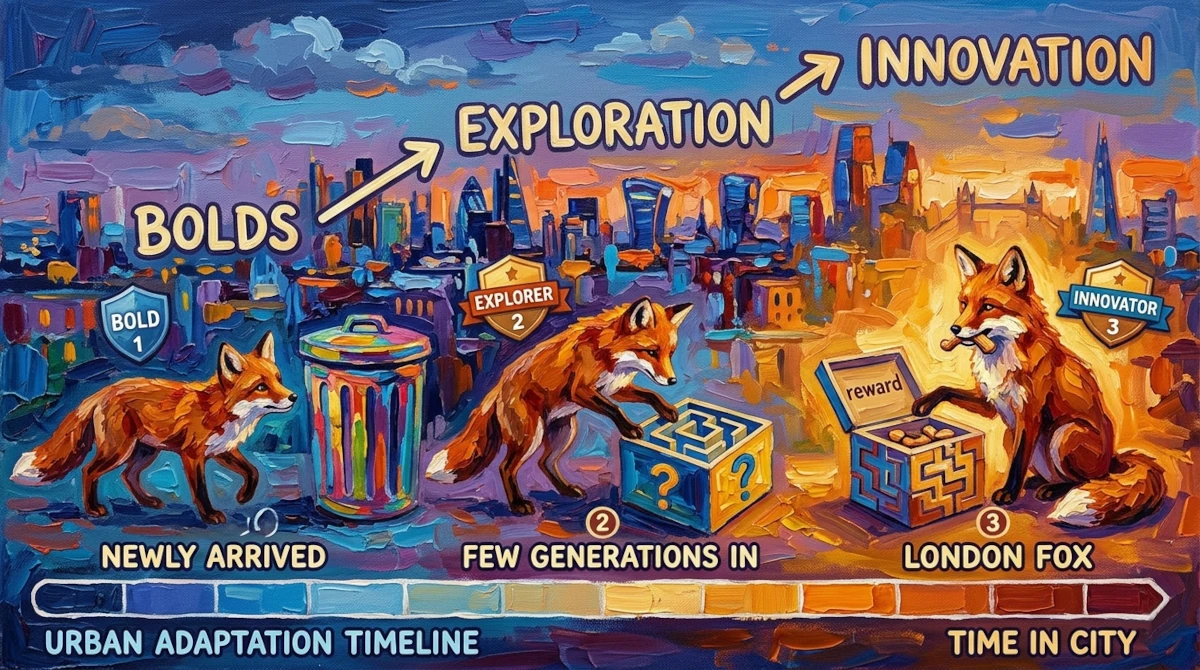
Animal Minds and Behaviour Cities Are Making Foxes Smarter – But the Process Takes Generations PopBiology Owl May 5, 2026
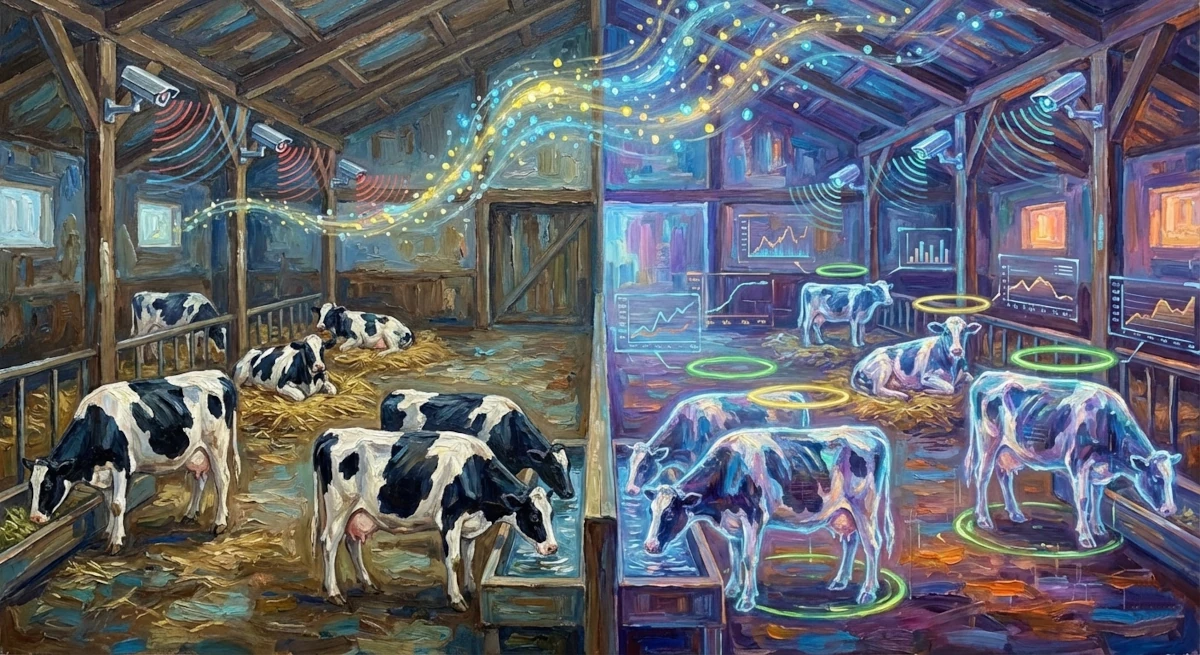
Animal Minds and Behaviour The Virtual Cow: How Artificial Intelligence is Transforming Dairy Farm Management PopBiology Owl Apr 28, 2026
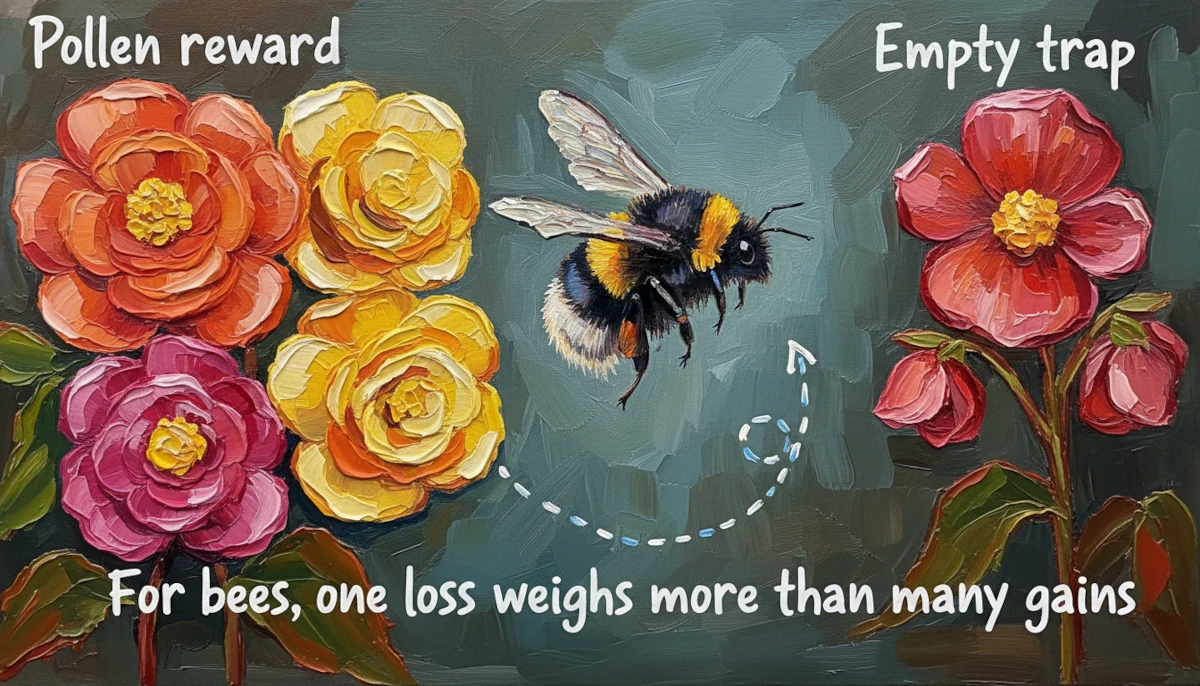
Animal Minds and Behaviour The Cautious Bee: Why Pollinators Fear Losses More Than They Love Rewards PopBiology Owl Apr 21, 2026
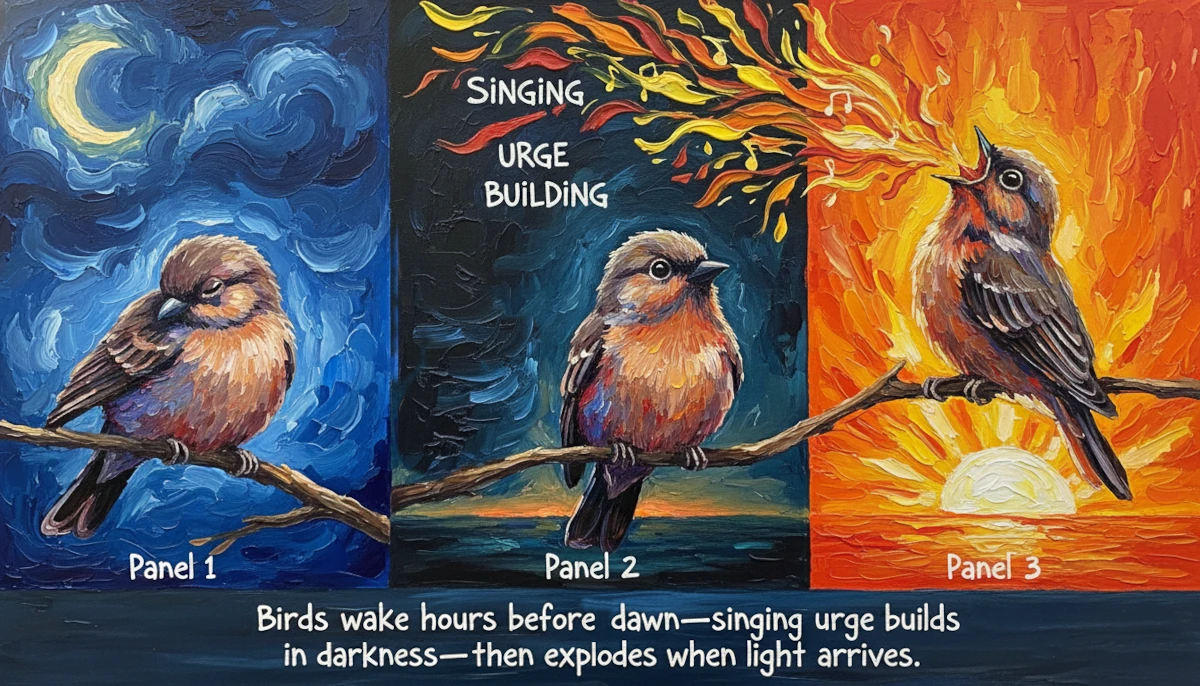
Animal Minds and Behaviour The Dawn Chorus Decoded: Scientists identify a potential mechanism behind birds’ explosive morning singing PopBiology Owl Apr 14, 2026
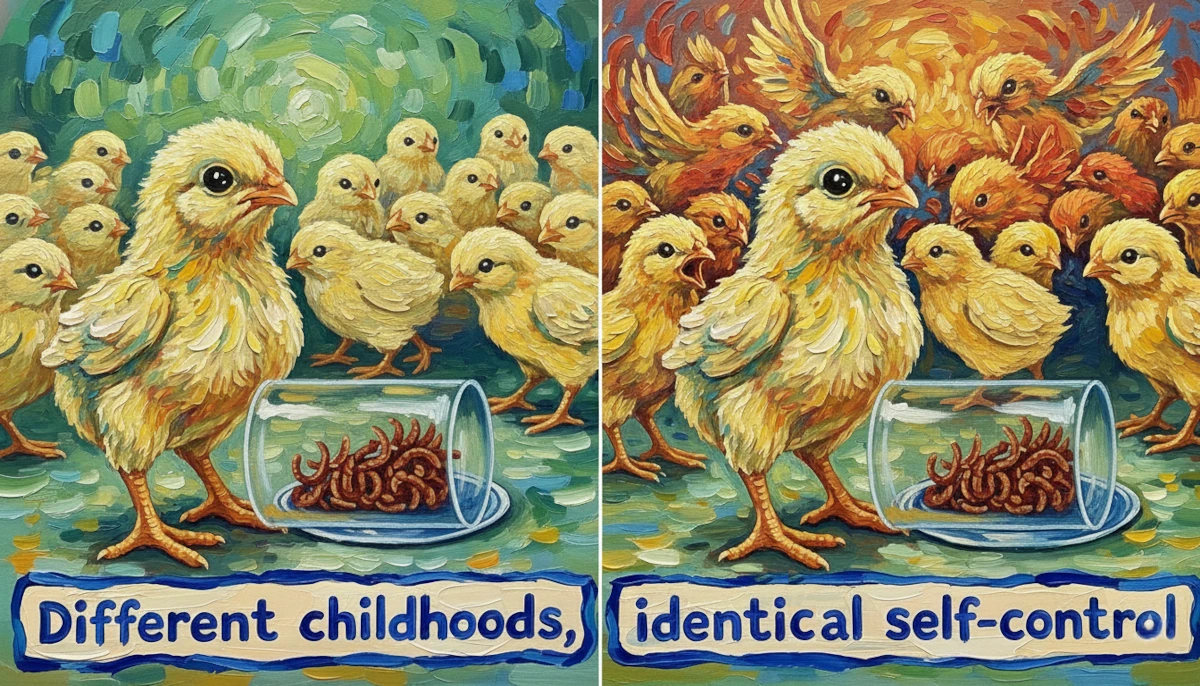
Animal Minds and Behaviour The Pecking Order Paradox: What Happens When Young Chickens Live in Constant Social Turmoil PopBiology Owl Apr 7, 2026
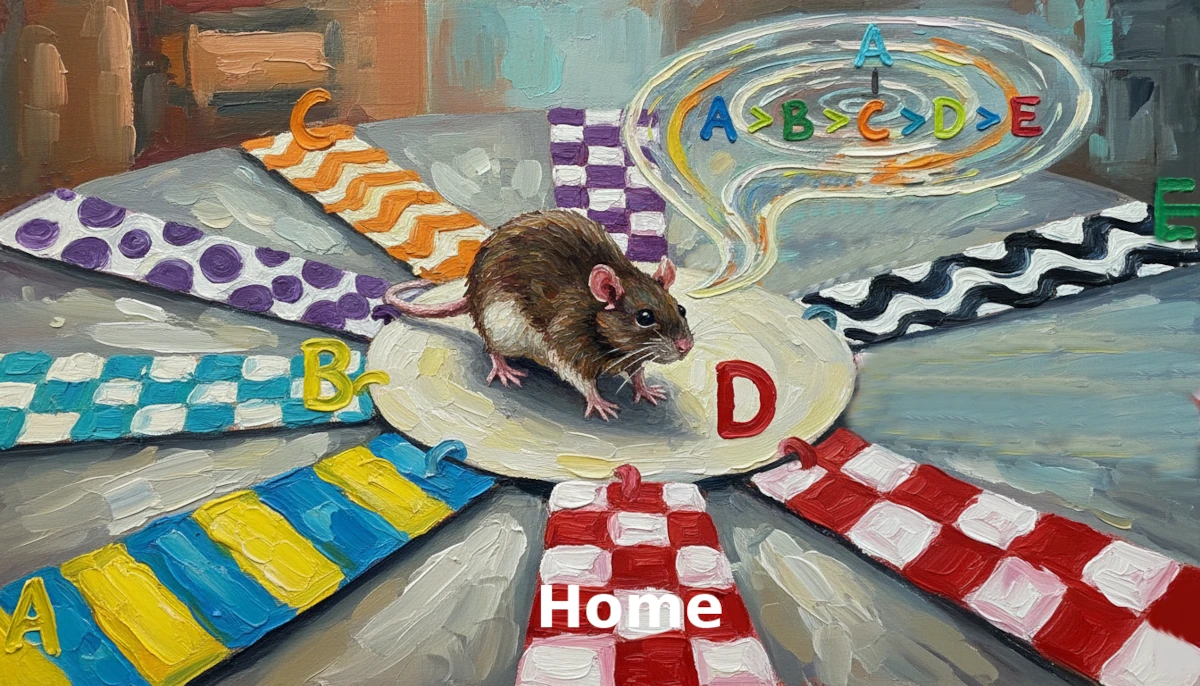
Animal Minds and Behaviour How Rats Learn to Think: Unlocking the Brain’s Logic Circuits PopBiology Owl Mar 31, 2026
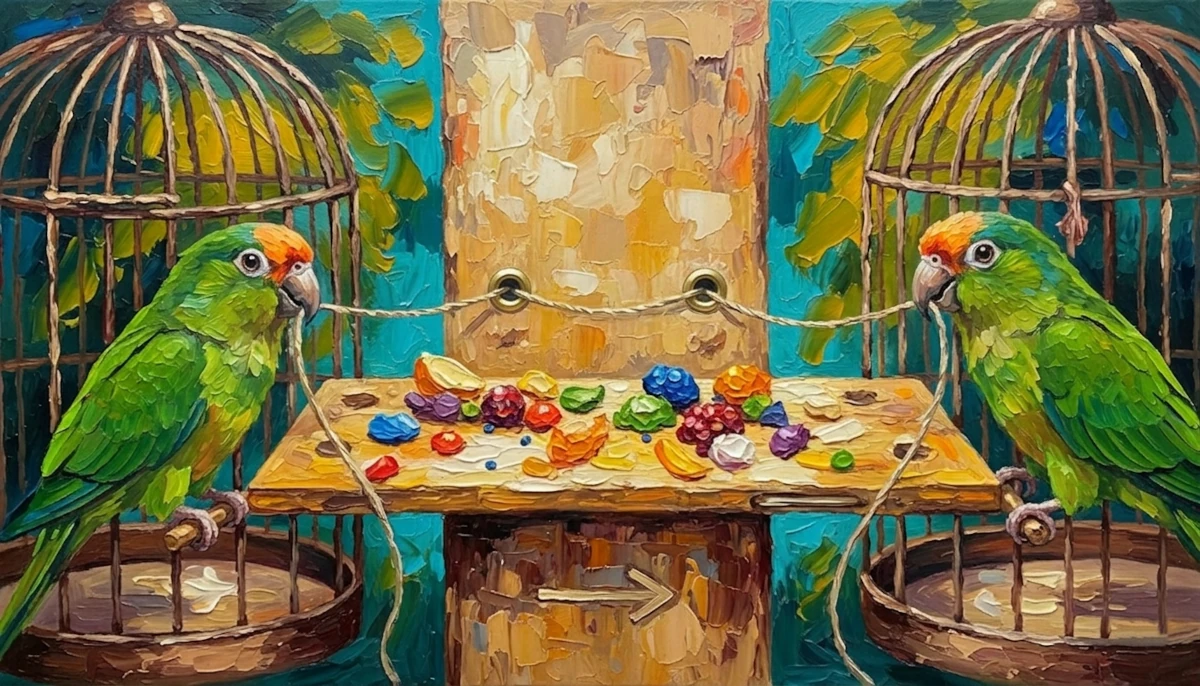
Animal Minds and Behaviour How Parrots Learned to Coordinate Through Conversation PopBiology Owl Mar 24, 2026
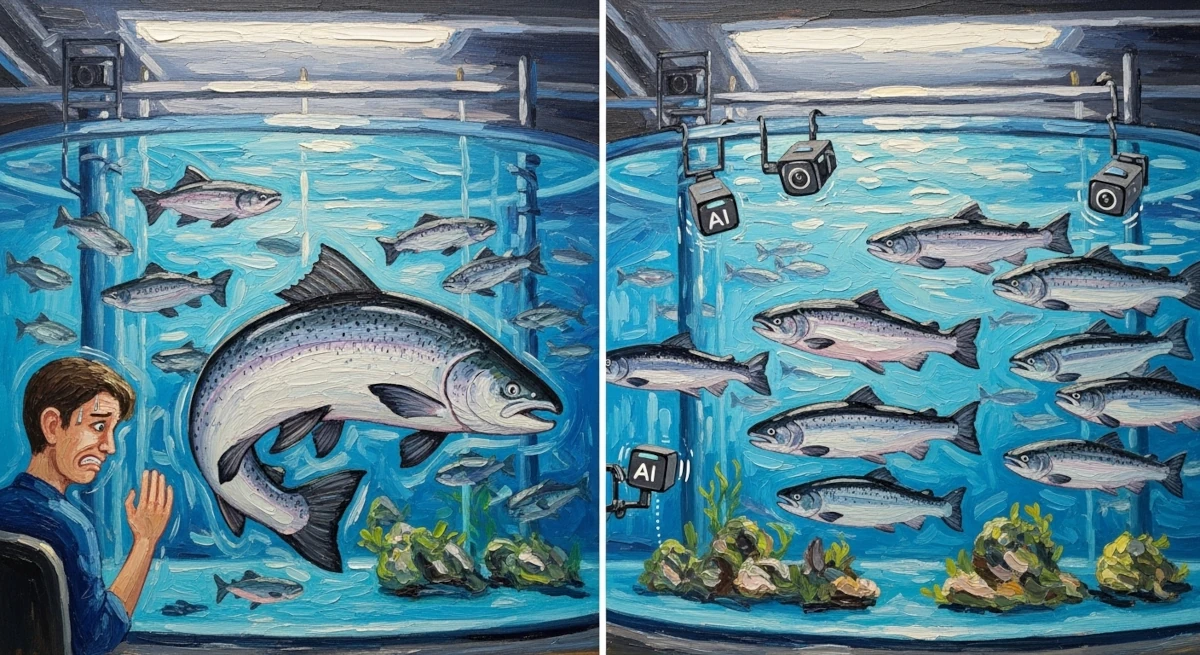
Animal Minds and Behaviour The AI Lifeguard for Fish Farms: How Smart Cameras Are Revolutionizing Welfare PopBiology Owl Mar 17, 2026
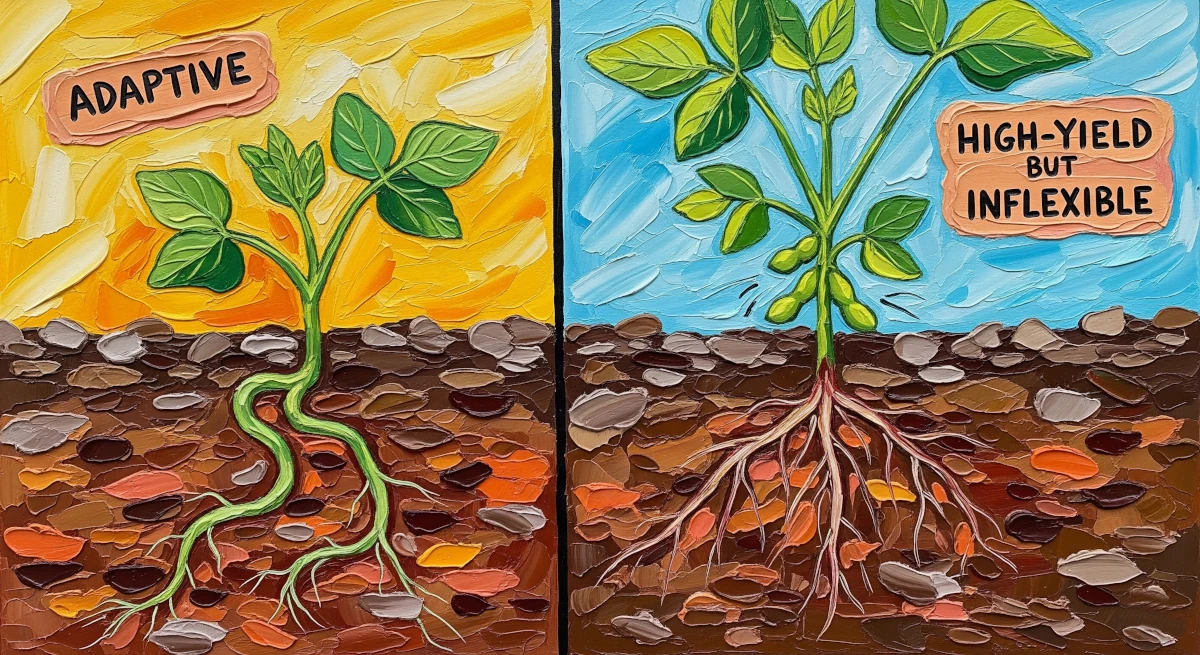
Plant Secrets and Adaptations The Underground Trade-Off: What We Lost When We Bred Better Soybeans PopBiology Owl Mar 10, 2026
Leave a Reply Cancel replyYour email address will not be published. Required fields are marked *Comment Name* Email* Save my name, email, and website in this browser for the next time I comment.
Plant Secrets and Adaptations A Piece of Cardboard Is Bringing Precision Farming to the Farmers Who Need It Most PopBiology Owl May 12, 2026
Animal Minds and Behaviour Cities Are Making Foxes Smarter – But the Process Takes Generations PopBiology Owl May 5, 2026
Animal Minds and Behaviour The Virtual Cow: How Artificial Intelligence is Transforming Dairy Farm Management PopBiology Owl Apr 28, 2026
Animal Minds and Behaviour The Cautious Bee: Why Pollinators Fear Losses More Than They Love Rewards PopBiology Owl Apr 21, 2026


Leave a Reply