Quiz: Can You Survive the Pecking Order? PopBiology Owl Apr 10, 2026 0 1. What made the "unstable" social environment in this study actually unstable? The chickens were given inconsistent amounts of food The lighting and temperature kept changing Every four days, each chicken was placed with eight completely new individuals Researchers randomly removed chickens from the groups None 2. The study compared chickens from stable and unstable social groups on impulse control tests. What did the results actually show? Chickens from unstable groups performed significantly worse Chickens from unstable groups performed significantly better – stress sharpened their focus Both groups performed the same – social chaos made no difference to impulse control The unstable group refused to participate in the tests None 3. So why might constant social reshuffling not have affected the chickens' problem-solving abilities? Chickens don't have brains complex enough to be affected by social experiences The chickens were too young for social experiences to matter at all Social adaptability and non-social problem-solving may be separate mental systems that develop independently The experiment simply wasn't long enough to produce any real effects None 4. The researchers used two different tests to measure impulse control. What was the key difference between them? One used food rewards and one didn’t One had a real solution (detour possible); the other was deliberately unsolvable One was for male chickens and one was for female chickens One tested aggression and one tested general intelligence None 5. What practical lesson does this study offer for people who raise chickens? Never mix flocks – repeated reshuffling causes permanent psychological harm Young chicks can handle social mixing during their first month – aggression after regrouping is normal and usually resolves quickly Chickens from unstable groups need special cognitive training to recover Young chickens should be kept in complete isolation to develop properly None Time's up
Plant Secrets and Adaptations A Piece of Cardboard Is Bringing Precision Farming to the Farmers Who Need It Most PopBiology Owl May 12, 2026
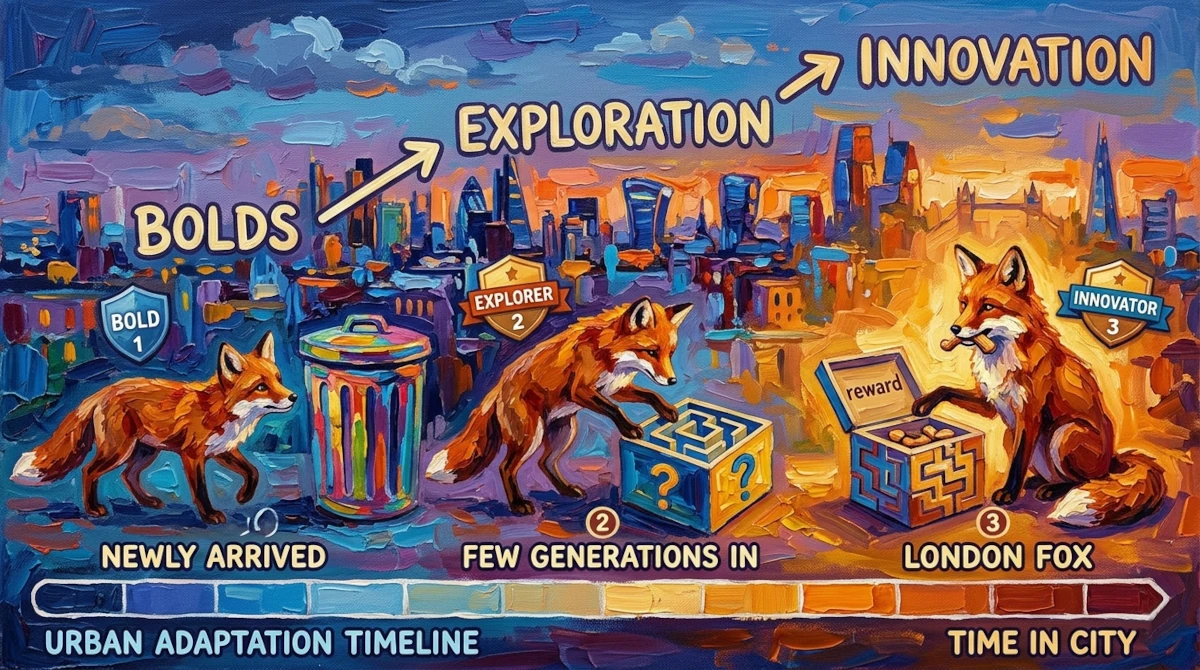
Animal Minds and Behaviour Cities Are Making Foxes Smarter – But the Process Takes Generations PopBiology Owl May 5, 2026
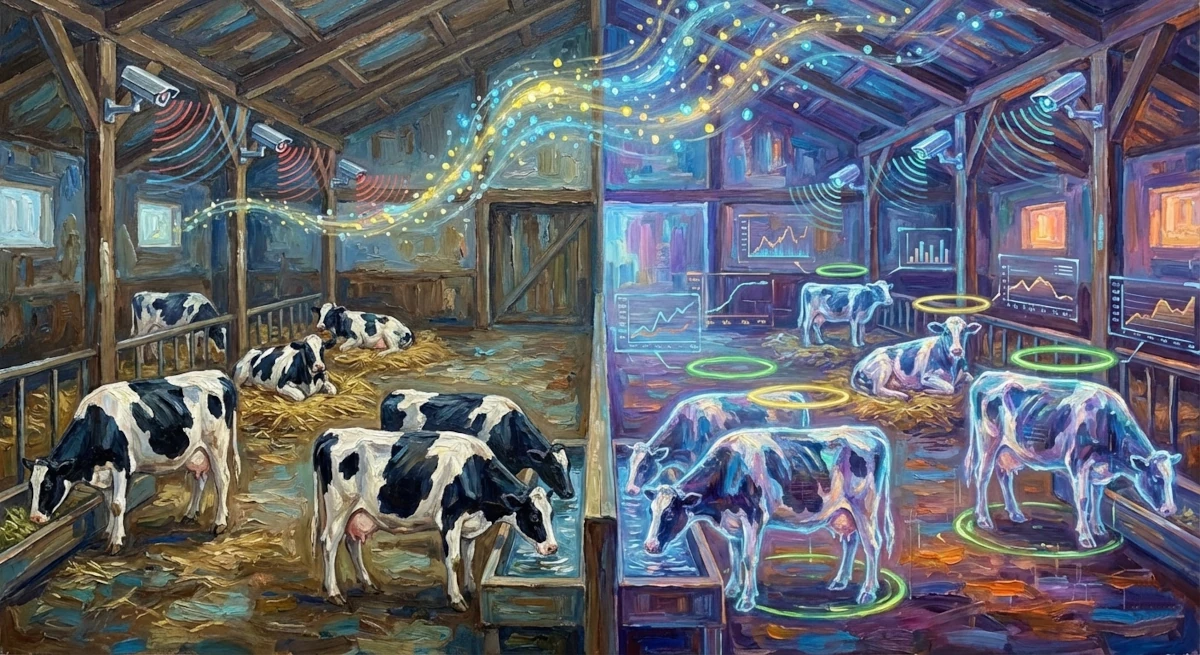
Animal Minds and Behaviour The Virtual Cow: How Artificial Intelligence is Transforming Dairy Farm Management PopBiology Owl Apr 28, 2026
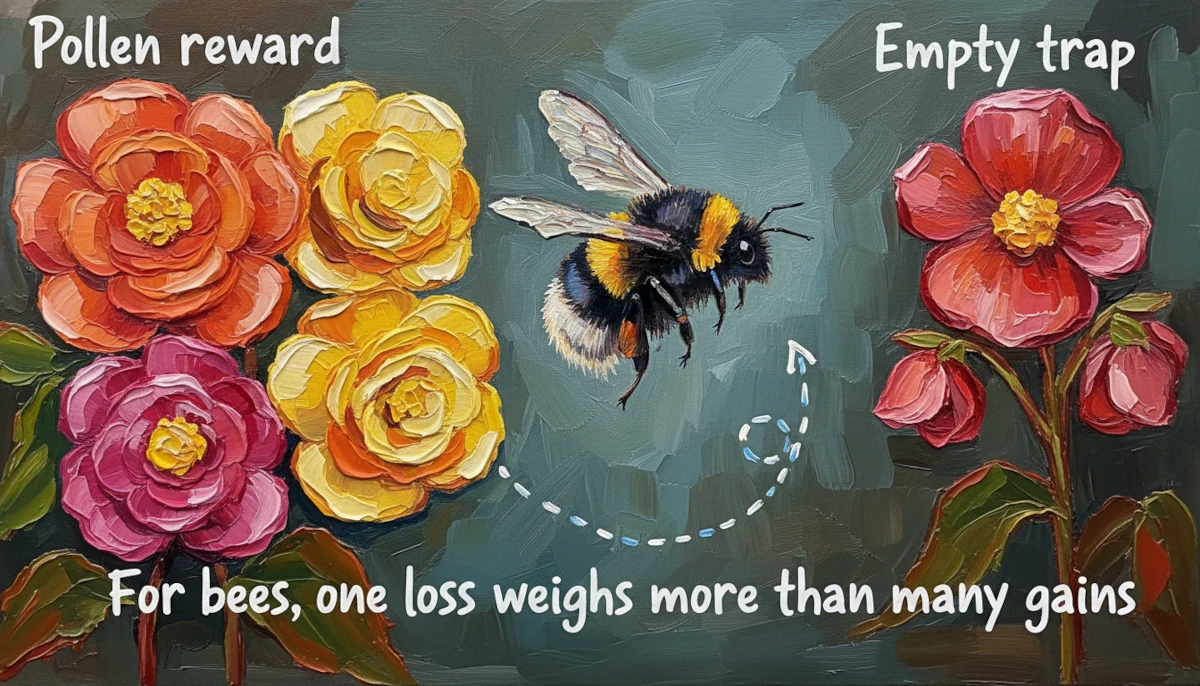
Animal Minds and Behaviour The Cautious Bee: Why Pollinators Fear Losses More Than They Love Rewards PopBiology Owl Apr 21, 2026
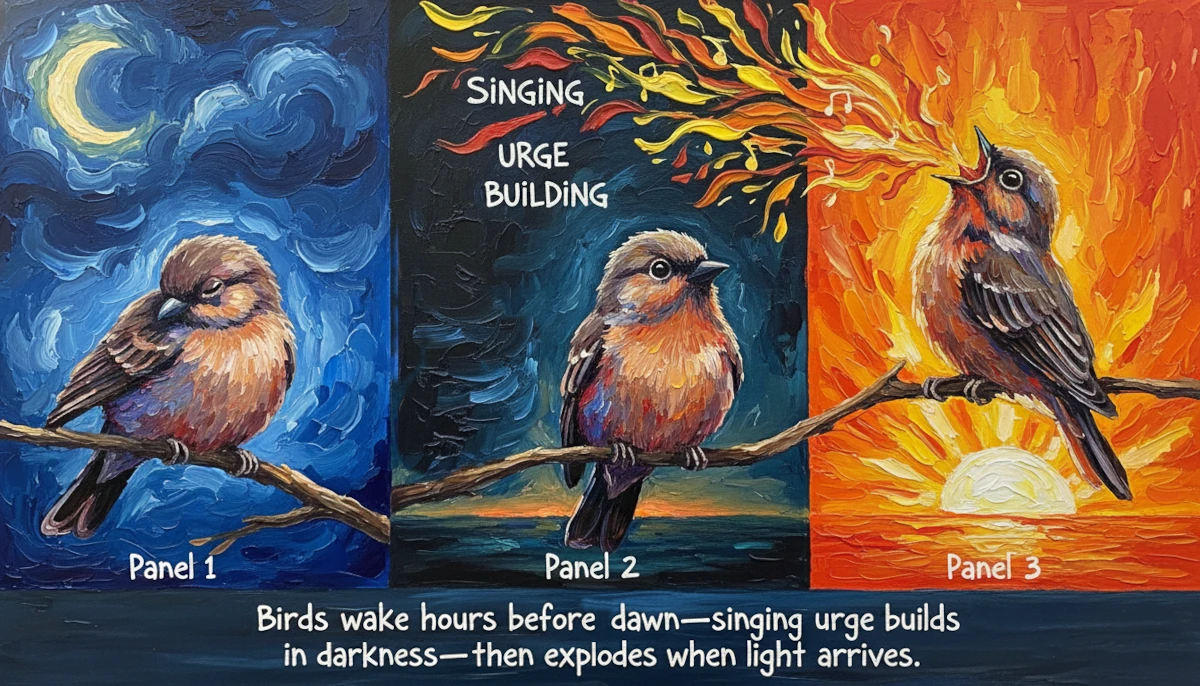
Animal Minds and Behaviour The Dawn Chorus Decoded: Scientists identify a potential mechanism behind birds’ explosive morning singing PopBiology Owl Apr 14, 2026
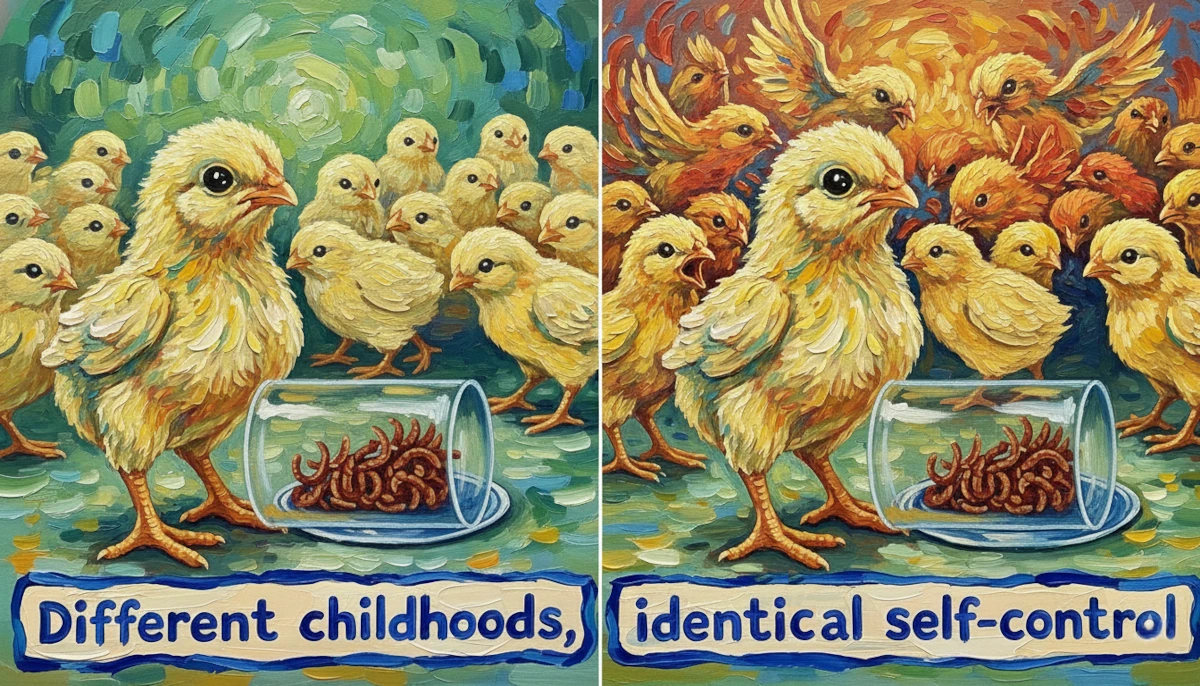
Animal Minds and Behaviour The Pecking Order Paradox: What Happens When Young Chickens Live in Constant Social Turmoil PopBiology Owl Apr 7, 2026
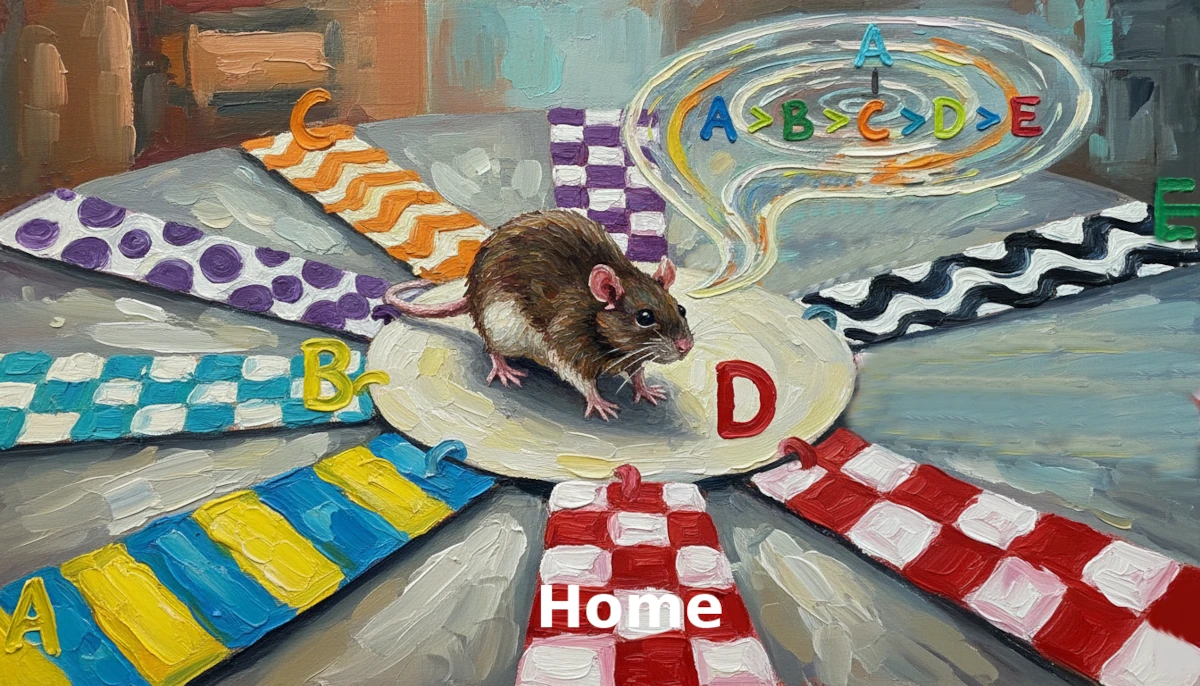
Animal Minds and Behaviour How Rats Learn to Think: Unlocking the Brain’s Logic Circuits PopBiology Owl Mar 31, 2026
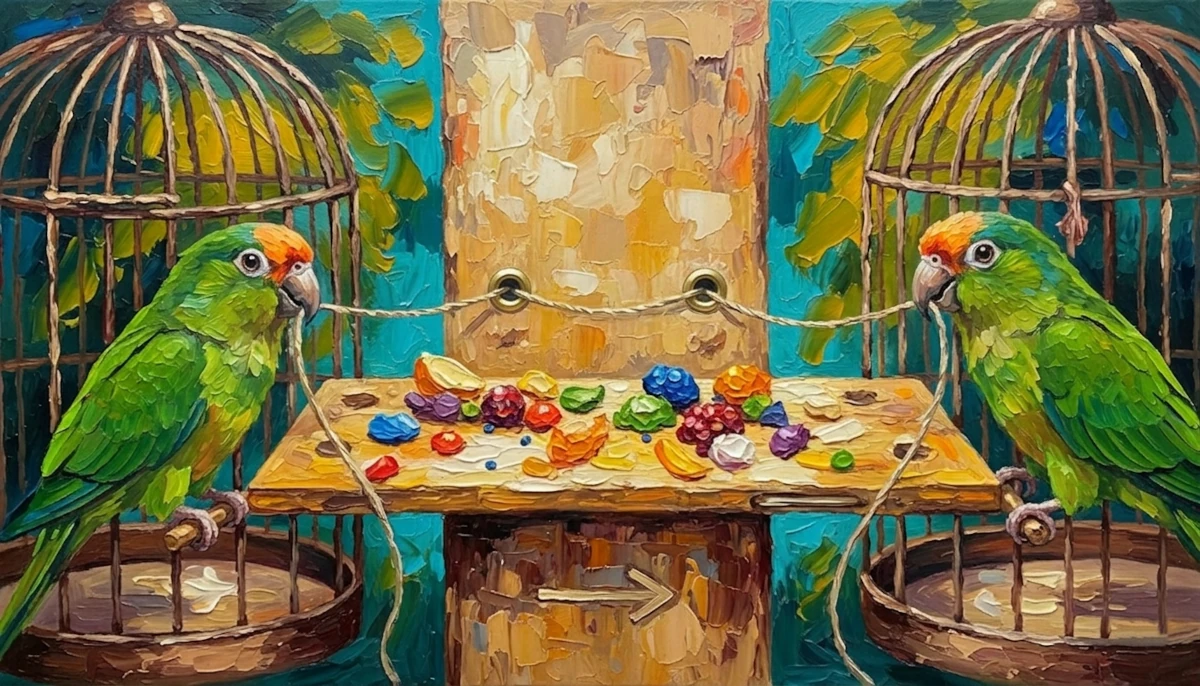
Animal Minds and Behaviour How Parrots Learned to Coordinate Through Conversation PopBiology Owl Mar 24, 2026
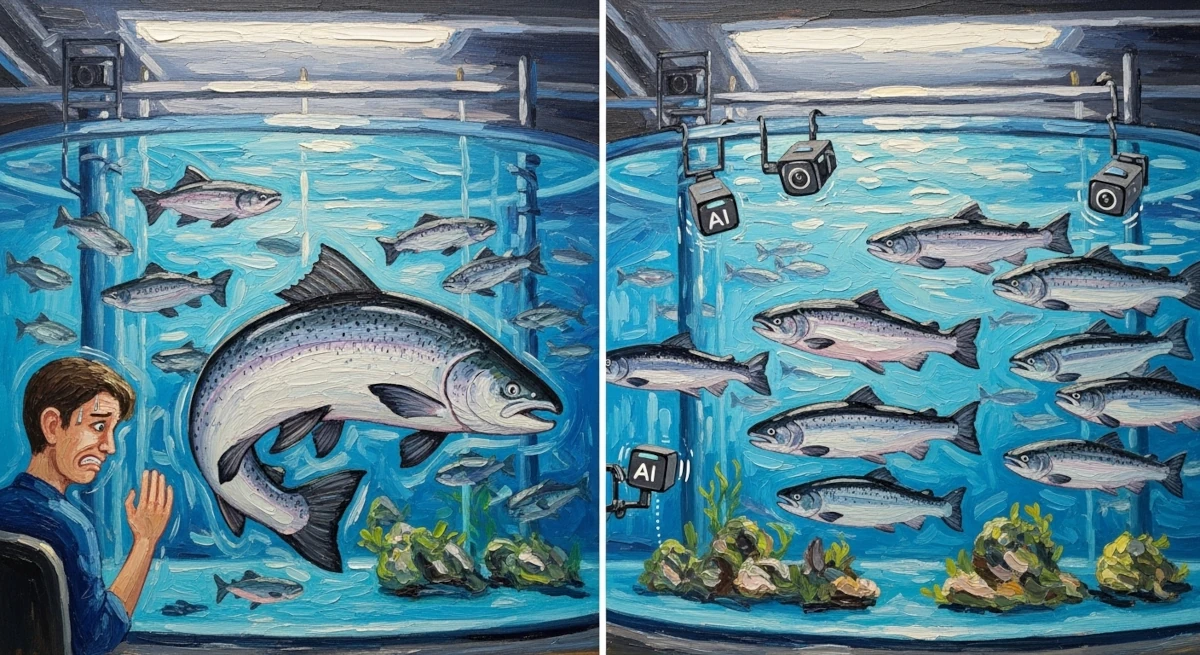
Animal Minds and Behaviour The AI Lifeguard for Fish Farms: How Smart Cameras Are Revolutionizing Welfare PopBiology Owl Mar 17, 2026
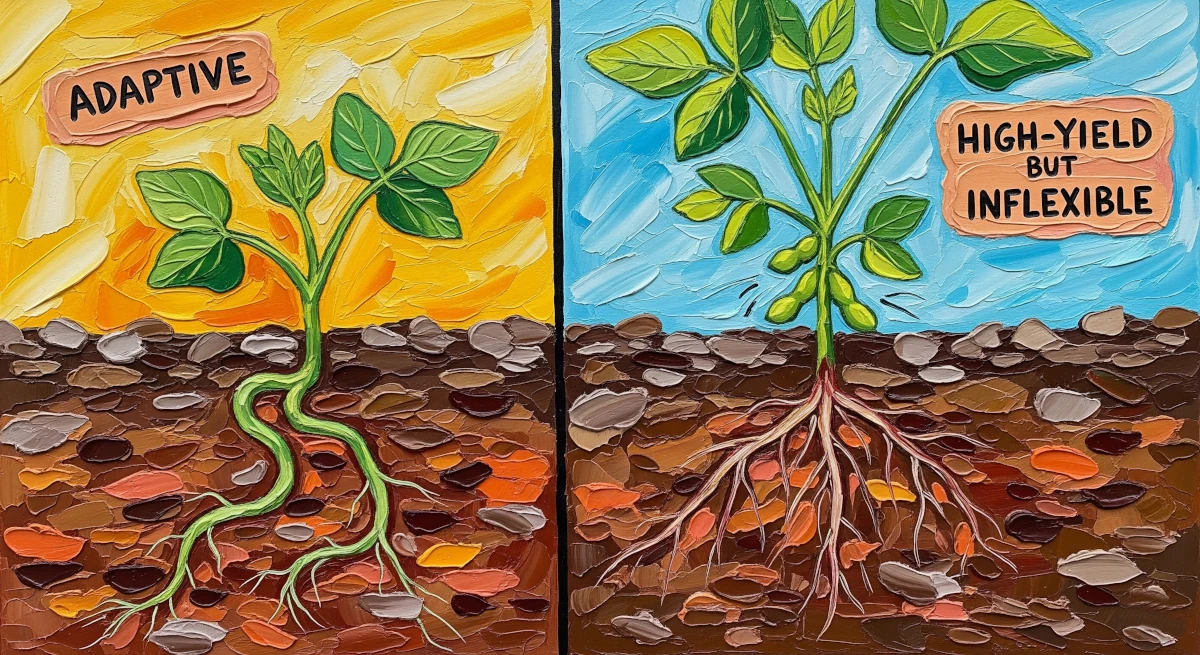
Plant Secrets and Adaptations The Underground Trade-Off: What We Lost When We Bred Better Soybeans PopBiology Owl Mar 10, 2026
Leave a Reply Cancel replyYour email address will not be published. Required fields are marked *Comment Name* Email* Save my name, email, and website in this browser for the next time I comment.
Plant Secrets and Adaptations A Piece of Cardboard Is Bringing Precision Farming to the Farmers Who Need It Most PopBiology Owl May 12, 2026
Animal Minds and Behaviour Cities Are Making Foxes Smarter – But the Process Takes Generations PopBiology Owl May 5, 2026
Animal Minds and Behaviour The Virtual Cow: How Artificial Intelligence is Transforming Dairy Farm Management PopBiology Owl Apr 28, 2026
Animal Minds and Behaviour The Cautious Bee: Why Pollinators Fear Losses More Than They Love Rewards PopBiology Owl Apr 21, 2026




Leave a Reply